
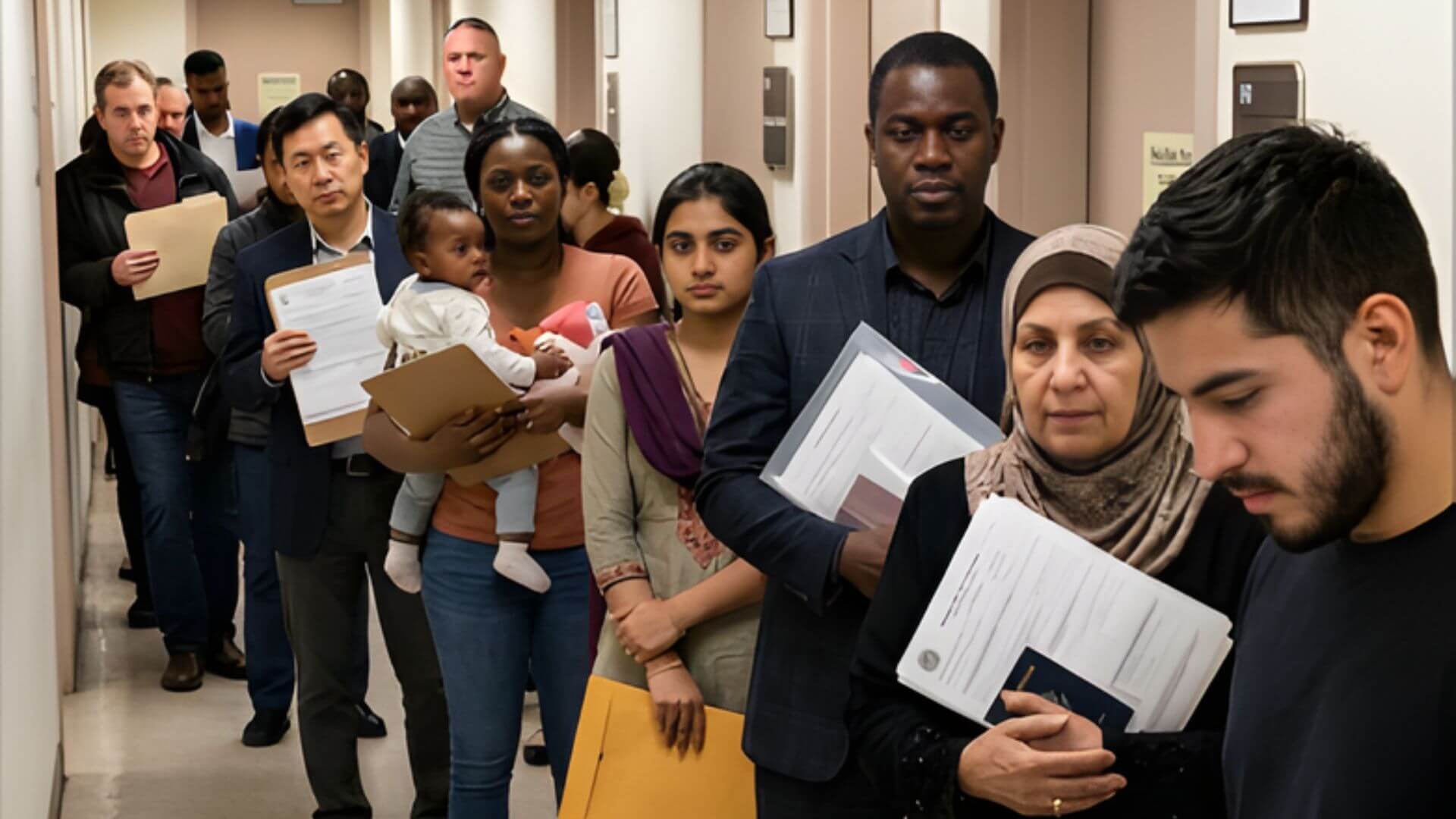
On January 21, 2026, the U.S. Department of State announced a temporary pause on the issuance of immigrant visas for nationals of 75 countries deemed at heightened risk of becoming a “public charge” that is, likely to rely on public benefits in the United States. This policy, part of the Trump administration’s broader immigration agenda, goes into effect immediately and will continue until further notice as the Department reviews screening and vetting procedures.
It’s crucial to understand that this pause applies only to immigrant visas — the visas that allow foreign nationals to permanently reside and work in the U.S. (such as family-based, employment-based, diversity, and returning resident visas). The policy does not affect non-immigrant visas (e.g., student visas like F-1, temporary work visas like H-1B or L-1, tourist/business visas like B-1/B-2, exchange visitor visas like J-1, or fiancé(e) K-1 visas), which continue to be processed normally.
The 75 countries subject to the immigrant visa pause are:
Afghanistan, Albania, Algeria, Antigua and Barbuda, Armenia, Azerbaijan, Bahamas, Bangladesh, Barbados, Belarus, Belize, Bhutan, Bosnia and Herzegovina, Brazil, Burma (Myanmar), Cambodia, Cameroon, Cape Verde, Colombia, Cuba, Côte d’Ivoire, Democratic Republic of the Congo, Dominica, Egypt, Eritrea, Ethiopia, Fiji, Gambia, Georgia, Ghana, Grenada, Guatemala, Guinea, Haiti, Iran, Iraq, Jamaica, Jordan, Kazakhstan, Kosovo, Kuwait, Kyrgyzstan, Laos, Lebanon, Liberia, Libya, North Macedonia, Moldova, Mongolia, Montenegro, Morocco, Nepal, Nicaragua, Nigeria, Pakistan, Republic of the Congo, Russia, Rwanda, Saint Kitts and Nevis, Saint Lucia, Saint Vincent and the Grenadines, Senegal, Sierra Leone, Somalia, South Sudan, Sudan, Syria, Tanzania, Thailand, Togo, Tunisia, Uganda, Uruguay, Uzbekistan and Yemen.
Supporters of the policy argue it protects U.S. taxpayers and ensures immigrants are financially self-sufficient. Critics, however, call it discriminatory and point out that it will delay or block legal pathways to permanent residence for thousands of families and workers. Legal challenges have already begun, centering on claims that the public charge rationale is being misused to target specific populations.
Most observers do not expect this pause to last permanently. Because it is framed as a review and reassessment rather than a formal long-term ban, many analysts view it as political signaling by the Trump administration, intended to demonstrate a tough stance on immigration rather than a lasting overhaul of immigrant visa policy.
Do you want to learn more about this announcement, call our office at (915) 314-2363 to schedule a consultation today!