
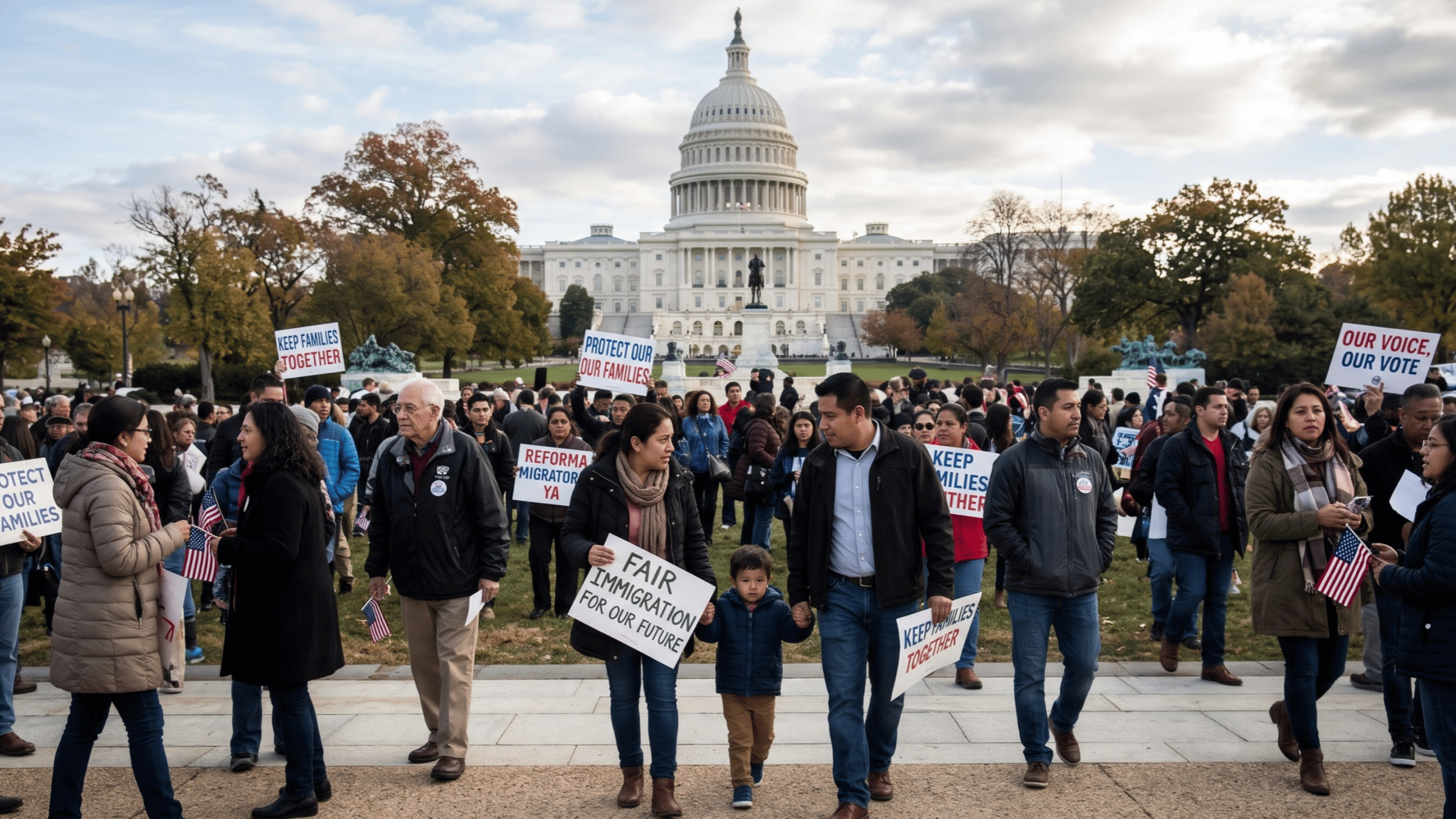
The 2026 midterm elections have brought a significant political shift to Washington. With Democrats securing control of both the House of Representatives and the Senate, the United States may be entering a new chapter in its immigration policy. While President Donald Trump will remain in office for the next two years, a Democratic-controlled Congress could introduce important checks on his administration's immigration agenda.
Over the past two years, immigrants and their families have faced an increasingly challenging immigration environment. The Trump administration has adopted a much stricter approach to immigration enforcement, including renewed emphasis on the public charge rule, expanded ICE detention and deportation operations, and heightened scrutiny of immigration applications. Meanwhile, processing backlogs and delays have continued to create uncertainty for individuals waiting for visas, green cards, work permits, and other immigration benefits.
So, what could change now that Democrats control Congress?
First, Congress holds significant power over federal spending. Through the annual appropriations process, Democratic lawmakers will have an opportunity to influence funding for the Department of Homeland Security (DHS) and Department of State. This could mean greater support for immigration processing resources, consular operations, and staffing, while also creating opportunities to challenge funding priorities associated with aggressive enforcement practices.
Second, Democratic leadership of key congressional committees could bring greater oversight and accountability. Committee chairs may call hearings, request documents, question DHS and State Department officials, and investigate immigration enforcement practices, detention conditions, deportations, and the implementation of existing immigration policies.
Additionally, Democrats could introduce legislation aimed at protecting immigrant rights, improving immigration court and application backlogs, strengthening oversight of ICE, and addressing policies that create unnecessary barriers for legal immigration. Although passing such legislation may be difficult, congressional hearings and public scrutiny can still influence how federal agencies operate.
However, it is important to manage expectations. President Trump retains executive authority over immigration enforcement and can veto legislation passed by Congress. A Democratic majority does not automatically eliminate existing immigration restrictions or guarantee immediate policy changes.
Aun así, estas elecciones representan una oportunidad importante para promover una mayor rendición de cuentas, supervisión y un enfoque más equilibrado de la inmigración.
Nevertheless, this election represents an important opportunity for greater accountability, oversight, and a more balanced approach to immigration. For immigrants, families, and employers navigating the U.S. immigration system, there may finally be reasons for cautious optimism. The road ahead remains uncertain, but a Congress willing to exercise its oversight, and budgetary authority could make a meaningful difference.
Do you want to learn more about this issue and overall current immigration processes, call our office at (915) 314-2363 to schedule a consultation today